

Hope in the Highlands: Reflections from the Nature Nurture Learning Exchange
At a time when biodiversity loss continues to threaten ecosystems and livelihoods worldwide, the experiences shared during the Nature Nurture Learning Exchange in Imugan, Sta. Fe, Nueva Vizcaya, Philippines, demonstrates how Indigenous knowledge, traditional farming systems, and community solidarity continue to play a vital role in protecting biodiversity from the ground up.
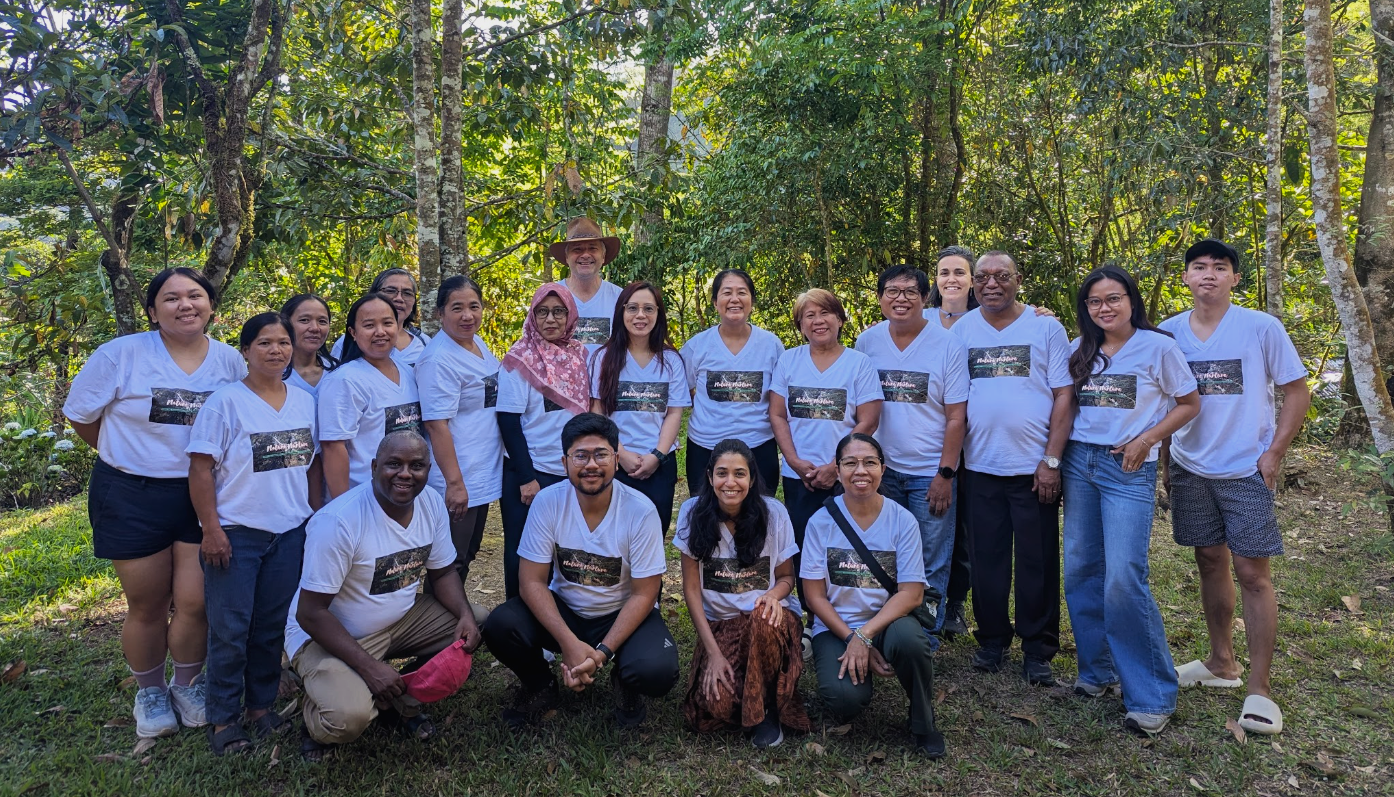
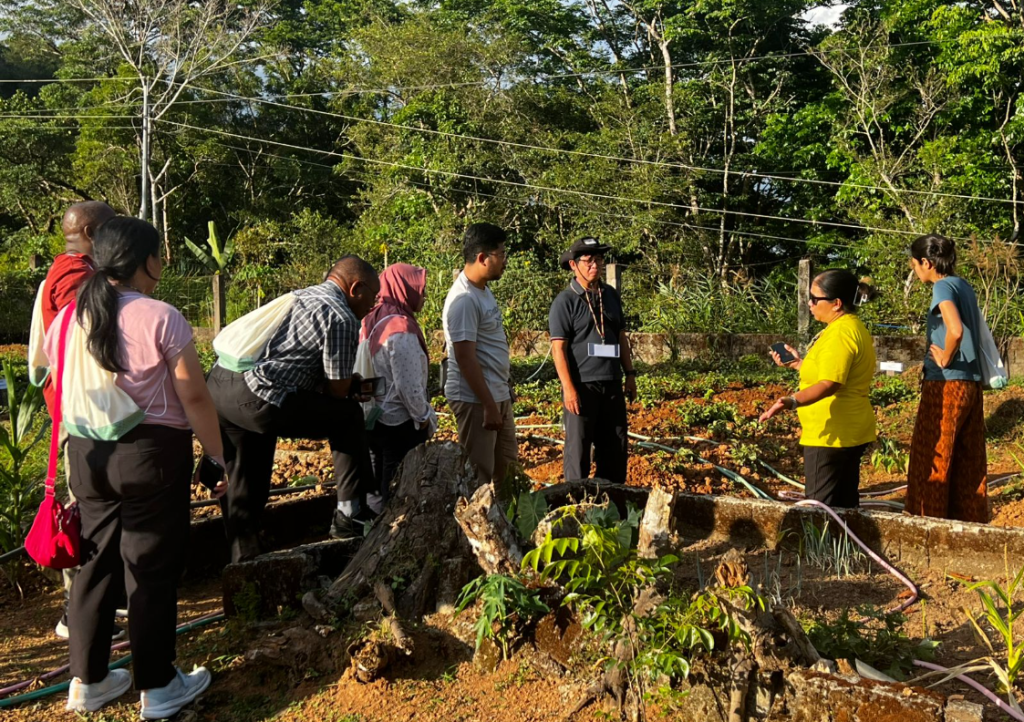
Organized under the Nature Nurture Project, the exchange brought together participants from different countries and the organizations involved to learn directly from the experiences of the Kalanguya/Ikalahan community in Nueva Vizcaya, Philippines. Through farm visits, market exposure, cultural activities, dialogue sessions, and systems mapping exercises, participants explored how traditional farming systems, community governance, local enterprises, and cultural practices remain interconnected within a living socio-ecological system.
The Learning Exchange, under the Nature Nurture Project, is part of a collaborative initiative involving NTFP-EP Asia, NTFP-EP Indonesia, Riak Bumi, MVIWAARUSHA, and Kalahan Educational Foundation (KEF), implemented in partnership with the International Institute for Environment and Development and supported by the Global Center on Biodiversity for Climate. The project seeks to strengthen community-led conservation, resilient agrobiodiversity systems, and Indigenous knowledge through research, learning exchanges, and cross-country collaboration.
Beyond the technical learnings, the exchange also created space for deeper reflection. Participants were invited to share not only what they learned, but also what they felt throughout the experience, revealing personal insights, emotional connections, and realizations that emerged from engaging with the community and landscape of Imugan.
More than Farming – Lessons Felt, Not Just Learned
Beyond the technical discussions and systems mapping exercises, participants were invited to reflect on a more personal question: What emotions did the learning exchange evoke, and why?
The reflections that emerged revealed that the experience in Imugan went far beyond understanding farming systems, markets, and community enterprises. Through the farm visits, market exposure, cultural exchange, and dialogue with the community, participants connected not only with the landscape and practices of the Ikalahan, but also with deeper questions around identity, solidarity, sustainability, and the future of farming and conservation.
Hope, Inspiration, and Gratitude
Many participants described the exchange as deeply hopeful and inspiring. Richard simply summarized his feelings as “hopeful and inspired,” while Teresa reflected on feeling “privileged,” “grateful,” and “lucky” to witness a community where farming and conservation remain closely tied to everyday life. She shared that the experience challenged common notions of success, particularly through stories like Domina’s, noting that communities such as Imugan demonstrate that one can still live a meaningful and dignified life through farming.
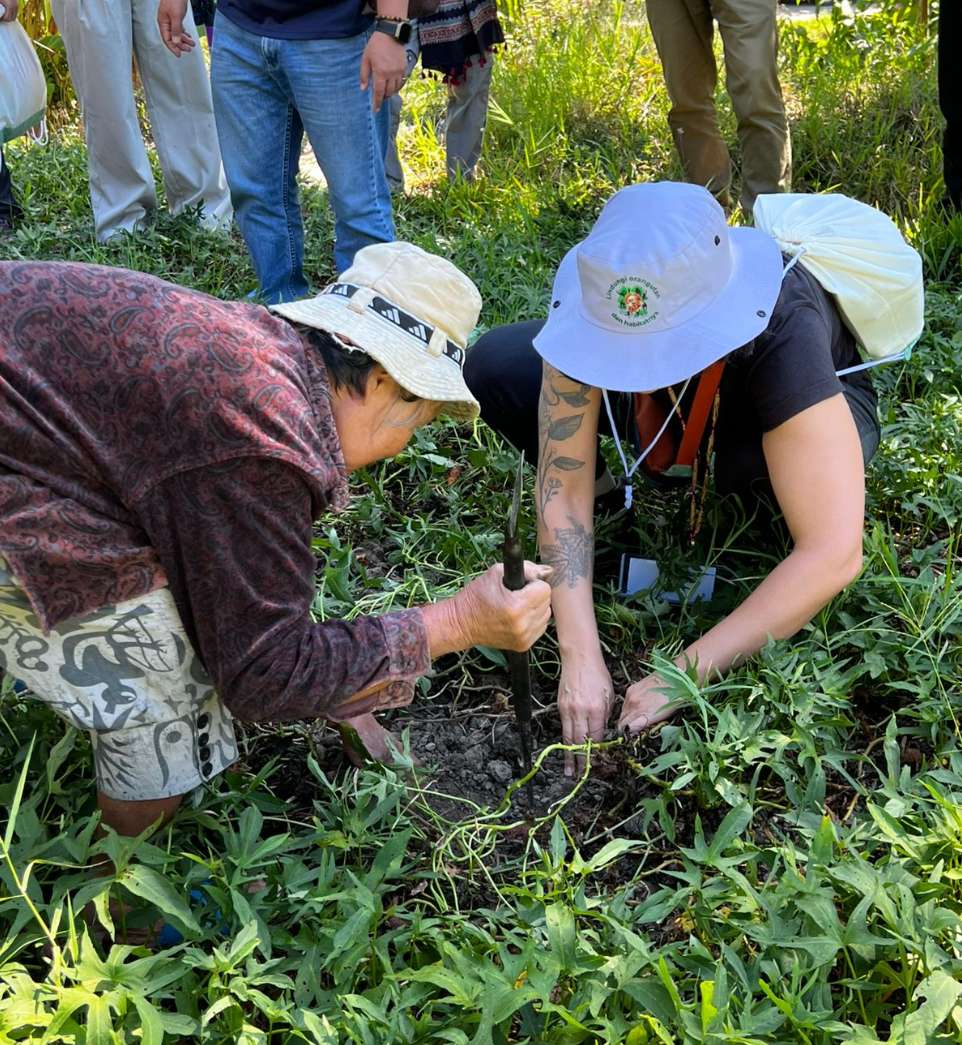
For Duncan, returning to Imugan brought a strong sense of hope rooted in both personal memory and observation. Coming from a missionary family background, he reflected that communities can continue living modern lives while still maintaining farming systems that work with nature rather than intruding upon it. Seeing the transformation of the landscape over time reinforced his belief that ecological restoration and stewardship can shape a different future.
Similarly, Femy reflected on the wisdom embedded within traditional systems, sharing that “the wisdom of the old is really wise.” Growing up in urban environments, she described the exchange as a reminder that these systems, practices, and relationships with nature are precisely the kinds of things that should be protected and sustained. She emphasized that “fellowship” and community solidarity are among the strongest foundations keeping these systems alive.
Reconnecting with Farming and Local Food Systems
Several participants reflected on how the exchange reshaped their perceptions of farming and local agriculture. Agasta shared feeling “fulfilled” and “blessed,” comparing the ecological and community-centered systems in Imugan with the more conventional farming systems he grew up with in Java. He noted feeling healthier in the community environment and was particularly inspired by seeing young professionals returning to support their communities. The experience encouraged him to promote local farming when he returns home.
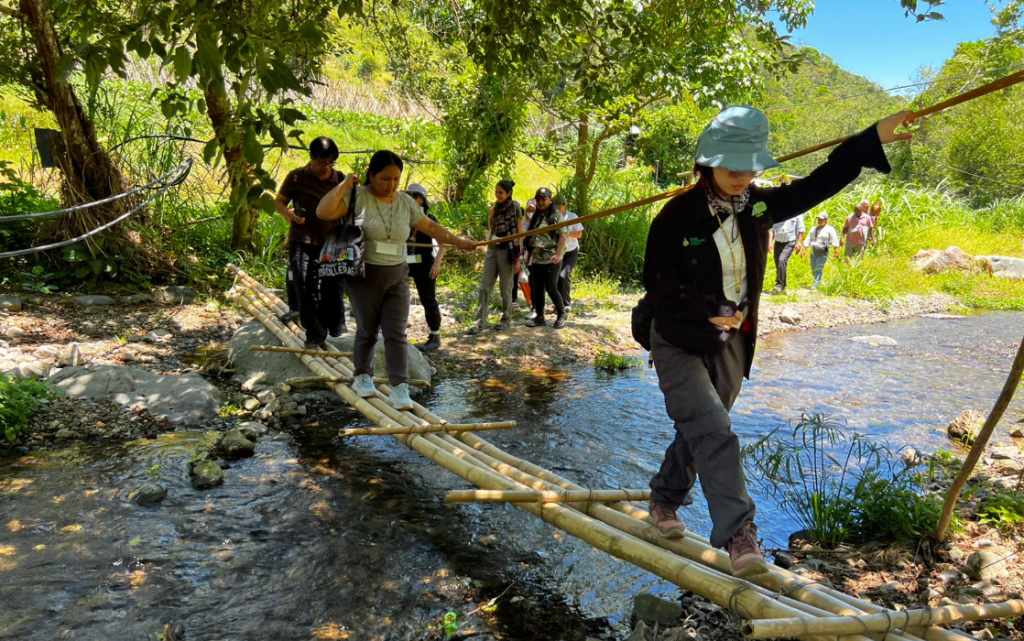
Chloe reflected on how her upbringing shaped her perception of farming as something associated with hardship, recalling how she was discouraged from engaging too deeply in agricultural work. However, the learning exchange challenged these assumptions by revealing the innovation, research potential, and meaningful opportunities present within community-based agriculture and conservation work.
Yayuk similarly reflected on the increasing land conversion occurring in many areas and shared that one of the lessons she would bring home is the importance of teaching future generations, including her daughter, about the value of communities like Imugan and the systems they continue to protect.
Learning Across Communities and Countries
Participants from Indonesia and Tanzania repeatedly drew connections between Imugan and experiences in their own communities. Heri reflected on the similarities between Ikalahan traditional farming systems and traditional systems in Indonesia, while Veronika described feeling grateful for the opportunity to interact closely with both elders and community members.
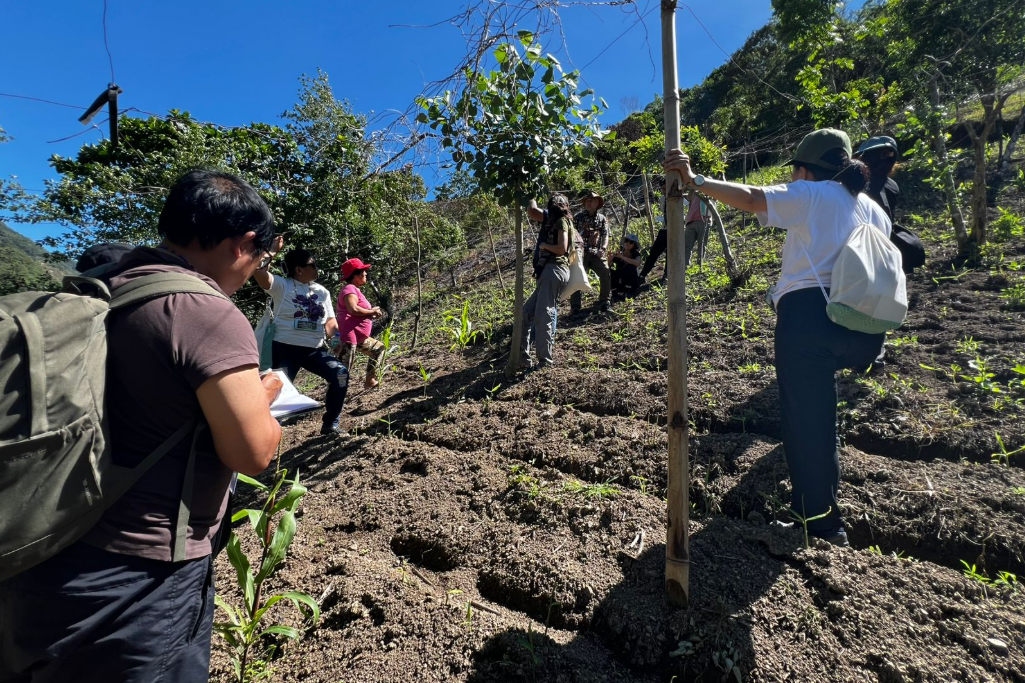
For Veronika, one of the strongest impressions was the central role of the community itself. She observed a strong foundation of cooperation and intergenerational participation, particularly the visible involvement of both elders and youth. She was also deeply struck by the dedication of farmers who independently tend their farms and sustain their livelihoods through hard work and stewardship. The experience reminded her that communities are capable of many things when rooted in strong cultural and social foundations.
Damian also connected the lessons from Imugan to experiences from Indonesia and Tanzania. He reflected that the exchange helped participants connect the entire system “from farm to market,” while also reminding everyone that “we are also consumers.” He appreciated seeing farmers actively linked to markets and emphasized the importance of organizations becoming more involved not only in production but also in processing, waste management, and sustainable market systems.
Seeing the Connection Between Farming, Markets, and Sustainability
The visits to both the farms and NVAT deepened participants’ understanding of how livelihoods, markets, and ecological practices are interconnected. Damian highlighted opportunities for strengthening processing systems, biofertilizers, and biopesticides, while also emphasizing the importance of health and sustainability within agricultural systems.
Participants reflected that the exchange helped them see how ecological farming is not only beneficial for biodiversity, but also closely linked to human well-being and healthier food systems. The visible integration of trees, crop diversity, and traditional farming practices reinforced the importance of working with ecological systems rather than against them.
The systems perspective also helped participants understand the broader pressures communities face, including commercialization, changing markets, and land conversion, while appreciating the resilience and adaptability of Indigenous and local communities.
Solidarity, Community, and Cultural Continuity
One of the strongest emotional themes across the reflections was solidarity. Ruth shared that the experience expanded her horizons regarding what communities are capable of achieving collectively and highlighted the deep solidarity both within the community and among participants themselves.
The cultural exchange activities, interactions with elders, and collective experiences throughout the learning exchange reinforced the idea that conservation is not only technical work, but also deeply relational and cultural. Participants repeatedly recognized that the strength of the Kalahan system lies not only in farming practices, but in the relationships, shared values, and collective stewardship that sustain them.
Tynee reflected candidly on the pressures communities sometimes feel when hosting visitors and being asked to showcase their culture and systems. Her reflection highlighted the balance communities navigate between hospitality, authenticity, and expectations from outsiders, while also revealing the care and responsibility involved in representing community identity.
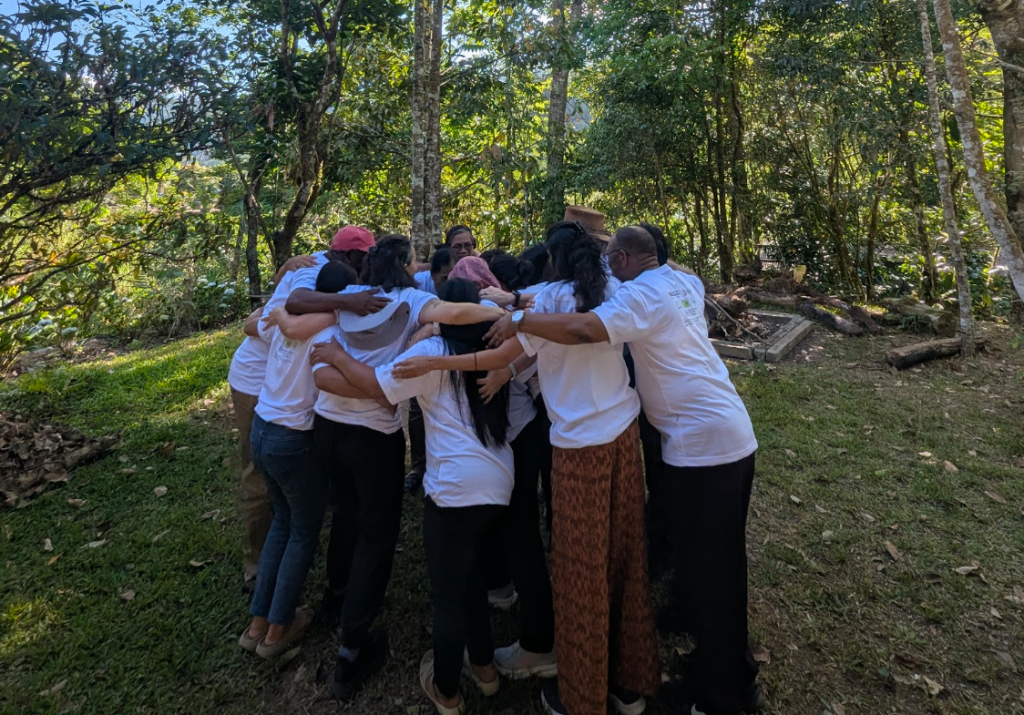
Taken together, the reflections revealed that the learning exchange was not merely an educational activity, but an emotional and transformative experience for many participants. Beyond learning about systems, value chains, and agrobiodiversity, participants encountered a living example of how culture, governance, farming, markets, and community solidarity remain interconnected.
The exchange inspired many to rethink assumptions about farming, development, and success, while reinforcing the importance of protecting Indigenous knowledge systems, supporting local communities, and strengthening pathways for ecological and culturally grounded futures.
Ultimately, the reflections demonstrated that the Ikalahan experience is not only a model of community-based conservation, but also a reminder that resilience is built through relationships, between people, land, culture, and one another.
By Shine Telio, Programme Officer for Community-based Conservation (CBC) | All photos taken in Imugan, Sta. Fe (May 2026) are courtesy of NTFP-EP Asia