

Green Livelihoods Alliance in Malaysia: A Story of Community-Led Success
BORNEO ISLAND, SARAWAK, MALAYSIA—the Indigenous Peoples of Sarawak have served as their land’s environmental stewards since time immemorial—guardians of the land. However, beneath the surface of Malaysia’s development lies a harsh reality: many Indigenous Peoples (Orang Asal) and local communities, Dayak especially the Orang Ulu, have been pushed away from their ancestral lands—logging, mining, and mega-dams caused this development-induced displacement of the locals. For these communities, losing the forest means losing not only their source of livelihood, but also their culture and identity.
The Green Livelihoods Alliance (GLA) has stepped in to change this narrative through the “Forests for a Just Future” program. By partnering with local organizations like NTFP-EP Malaysia (PELIHARA), PACOS Trust, SAVE Rivers, and Sarawak Dayak-Iban Association (SADIA), the GLA is helping communities reclaim their future by restoring the people’s customary rights, building sustainable pathways for land governance, and empowering voices from the Borneo forests.
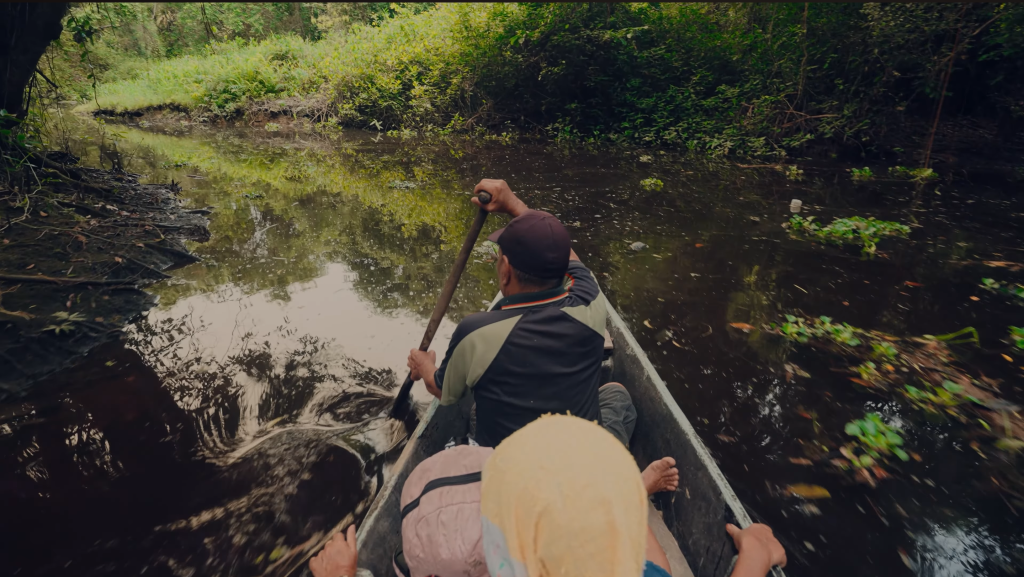
Photo courtesy of NTFP-EP Malaysia (PELIHARA), SAVE Rivers, SADIA, PACOS Trust
The role of the GLA is foundational; it provides the funding, resources, and training necessary for communities to organize effectively. In the Upper Baram (Ulu Baram) region, one of the most underserved areas in Malaysia, the GLA supported SAVE Rivers in conducting community protocol and Free, Prior, and Informed Consent (FPIC) workshops. These workshops allowed the Kenyah, Saban, and Penan communities to formalize their own customary governance and protect their landscapes.
Crucially, the discipline and tools provided by these GLA-backed workshops have empowered communities to access other grants and funders, ensuring their projects can continue long after the initial program ends. One major success is the Baram Peace Park, a massive 300,000-hectare area led by the community to protect biodiversity while honoring Indigenous governance and practicing community-led conservation.
One of the most transformative aspects of the GLA’s involvement is the empowerment of women and youth as decision-makers and leaders. Before these programs, many women believed their roles were confined to being housewives. Through leadership training and capacity building, women in Baram have gained the confidence to speak up and lead.
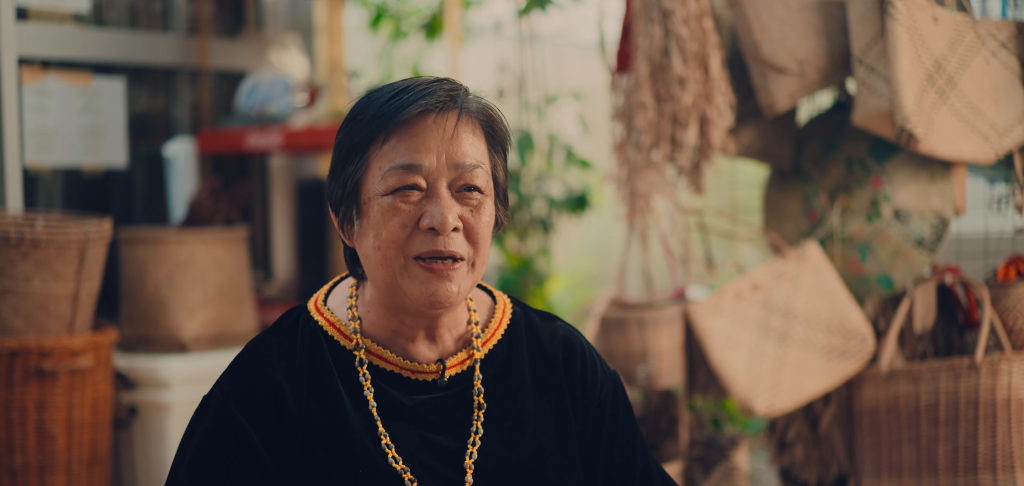
Photo courtesy of NTFP-EP Malaysia (PELIHARA), SAVE Rivers, SADIA, PACOS Trust
Younger generations are also being reconnected to their roots. Programs supported by the GLA encourage youth to embrace their traditional customs and culture through events like “carnivals of customs,” ensuring that traditional ecological knowledge is not lost to changing times.
In Simunjan, the GLA and SADIA are guiding Iban communities to develop sustainable ecotourism as a way to protect their communal forests from illegal logging and quarrying. Seven villages have united to manage over 2,000 hectares of forest; forests (hutan) that are divided into three: Stika Communal Forest, Bukit Berdiri, and Seriak Communal Forest.
For these communities, tourism is not just a product; it is a promise to protect the forest and keep elders and youth connected to their land. They now use modern tools and social media platforms like Facebook and TikTok to promote their heritage on their own terms.
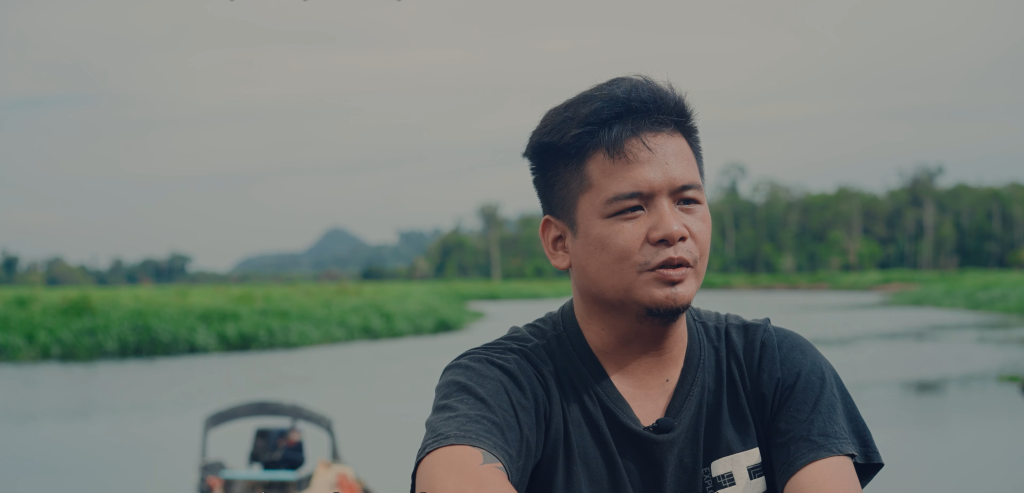
Photo courtesy of NTFP-EP Malaysia (PELIHARA), SAVE Rivers, SADIA, PACOS Trust
Over the past five years, the GLA has shown that when Indigenous and local communities lead, the future looks brighter. By providing essential tools for advocacy, mapping, and community organizing, the GLA has enabled these “guardians of the land” to stand firm against development-induced displacement and build a self-sustaining economy. GLA started in 2016 and recently concluded in 2025 but the impact of the alliance has been instrumental in providing the very important tools that allow Indigenous Peoples and local communities to finally reclaim their voice and their land.
The GLA Malaysia programme is implemented by four core partners across the region: NTFP-EP Malaysia, the Sarawak Dayak Iban Association (SADIA), and SAVE Rivers in Sarawak, along with PACOS Trust in Sabah. Each partner brings a distinct expertise, ranging from NTFP-EP Malaysia’s focus on empowering Penan communities through conservation and sustainable livelihoods, to SADIA’s dedication to defending Iban Native Customary Rights (NCR) lands. SAVE Rivers leads advocacy against mega-dams, empowering rural communities to protect their natural resources. Finally, the community-based PACOS Trust supports over a hundred Indigenous Peoples organizations and learning centers in Sabah, specializing in capacity building, gender awareness, and technical support for social forestry.